
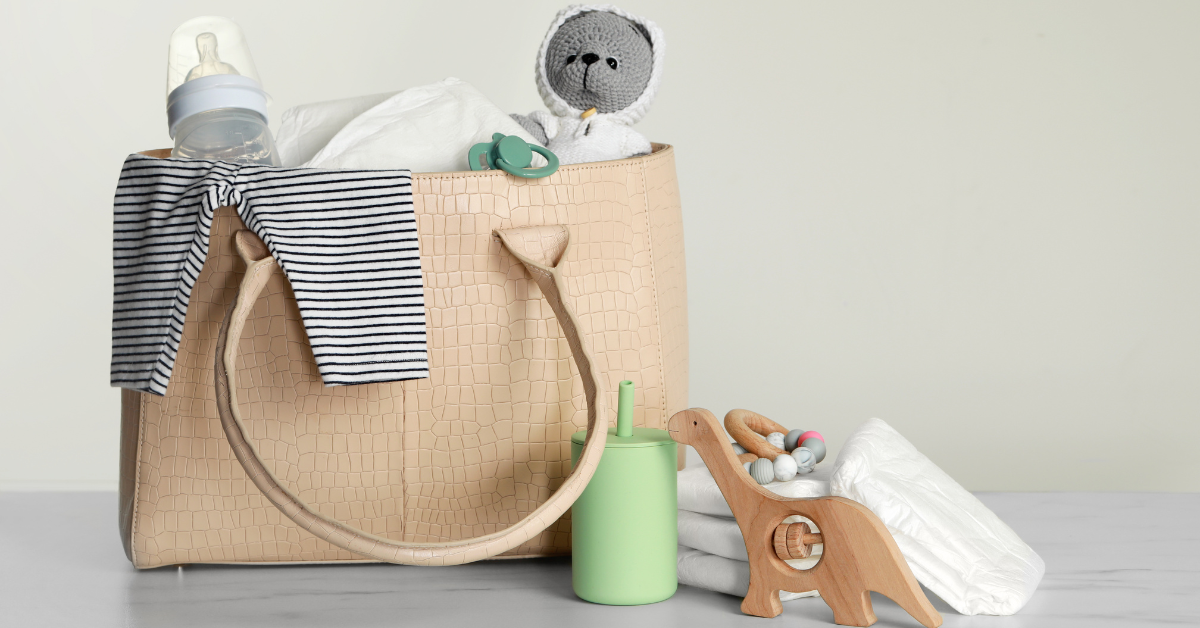
When I first found out we were having twins, I felt a mixture of joy and sheer panic. And then came the practical questions: How am I going to carry everything for two babies? I quickly discovered that a regular diaper bag simply wouldn’t cut it. After months of trial and error—and a few embarrassing moments of being completely unprepared in the middle of Target—I’ve learned what actually works for parents juggling double duty.
This guide shares everything I wish I’d known from day one about choosing, packing, and organizing a diaper bag (or bags) for twins. Let’s dive in.
Why One Diaper Bag Isn’t Enough
I’ll be honest: I tried the single large diaper bag approach for exactly three weeks. By day 22, I was frantically digging through a mountain of supplies while one baby cried and the other needed a diaper change immediately.
Here’s the reality: twins mean double everything. Double diapers, double wipes, double changes of clothes, double feeding supplies. A regular diaper bag gets chaotic fast. You’re either carrying an impossibly large, heavy bag, or you’re constantly running out of supplies when you need them most.
The solution that saved my sanity? A two-bag system (or sometimes three). I know it sounds like overkill, but trust me—having dedicated supplies for each baby means faster changes, less stress, and knowing exactly where everything is when you’re managing two hungry, fussy babies at once.
The Two-Bag System: What Works Best
The Core Setup
I’ve found the ideal system is one main “master” diaper bag plus two smaller individual bags—one for each baby. Here’s how it breaks down:
The Master Bag should contain:
– Shared essentials (wipes, diapers, changing pad, hand sanitizer)
– Extra clothes for both babies
– First aid supplies
– Toys and entertainment
– Your personal items (phone, wallet, keys)
For the master bag, you want something spacious but not unwieldy. The Skip Hop Diaper Bag is a game-changer here—it has multiple compartments, excellent organization, and a cushioned changing pad built in. Another solid option is the mommore Diaper Bag Tote, which feels less “babyish” if you’re worried about that (and some of us are!).
The Individual Bags are smaller carriers for each baby that you can grab quickly. These should contain:
– A few diapers and wipes
– A change of clothes
– Any specific items for that baby (special blanket, pacifiers, medications)
– A burp cloth or small blanket
I use this Small Diaper Bag for these individual bags because they’re compact, have quick-access pockets, and look sleek enough to carry solo if needed. The crossbody style means I can keep my hands free while managing two toddlers.
Organization Hacks That Actually Work
Once you’ve got your bags, organization is everything. A poorly organized bag means precious minutes wasted searching when you’re trying to change a blowout in a public restroom. Not fun.
Use Pouches Within Pouches
Invest in small, clear pouches to organize by category. I use:
– A clear toiletry bag for diaper cream, sunscreen, and any medications
– A zippered pouch just for wipes and diapers
– A separate bag for each baby’s specific items
– A larger pouch for dirty diapers and clothes
The beauty of clear pouches? You can see exactly what you have without dumping everything out. These Diaper Bag Organizer Pouches that come with multiple sizes that fit perfectly in most diaper bags.
Color-Code Everything
This one’s simple but incredibly effective: I assigned each twin a color (mine are green and blue). All of their tags, labels, and pouches are that color. When things are chaotic, color-coding helps me grab the right supplies for the right baby instantly. It also helps caregivers and family members know whose diaper and clothes belong to whom.
Create a Packing Checklist
I keep a laminated checklist on the inside of my master bag. Before we leave the house, I quickly verify:
– Diapers (count: at least 8 per baby)
– Wipes
– Change of clothes (at least 2 per baby)
– Feeding supplies (bottles, formula, if applicable)
– Burp cloths
– Blankets
– Medications or special items
This takes 60 seconds and has prevented countless “oh no, we forgot X” moments.
Choosing the Right Bags for Your Lifestyle
The best bag for your family depends on how you’ll actually use it. Let me break down some scenarios:
For Daily Outings & Errands
You want something lightweight and easy to manage. The Babymel Freddie Vegan Leather Changing Backpack is designed specifically for parents managing multiple kids and doesn’t feel heavy even when fully packed. It also has a nice, modern aesthetic if that matters to you.
For Longer Trips & Travel
Consider the Itzy Ritzy Diaper Bag Backpack, which has a super large capacity. For longer days out, the backpack style saves your shoulders, and it has pockets for bottles. I’ve used mine for full-day outings and weekend trips.
For Gym & Quick Outings
A smaller bag sometimes makes sense. The BAGSMART Tote Bag is compact but surprisingly organized. I keep one in my car for quick pharmacy runs or when I’m just dropping kids at childcare.
For Minimalist Parents
If you hate carrying a lot, the Petunia Pickle Bottom Boxy Backpack uses vertical organization to pack more into less space. It looks like a regular backpack, which some parents prefer.
Smart Packing Tips for Real Situations
The Blowout Plan
Keep a sealed, waterproof bag inside your diaper bag specifically for accidents. I use the Tiny Twinkle Mess Proof Wet Bags, which are essential for containing messes. Trust me, you’ll be grateful for this when (not if) you encounter a catastrophic blowout at the grocery store.
The Bottle/Feeding Station
If you’re bottle feeding, keep a small bottle bag with extras, formula, and bottle brushes separate from other supplies. The Tommee Tippee Bottle Bag keeps things organized and is easy to grab if you’re nursing at a friend’s house.
The Entertainment Stash
Two teething babies in public? You’ll want lightweight toys you can rotate. I keep a small bag with inexpensive toys (teethers, rattles, small board books) that I rotate in and out to keep things fresh. Dollar store items work great here—no need to spend a lot.
The Clothing Strategy
Pack more clothes than you think you’ll need. Between spit-up, diaper accidents, and just general baby chaos, I’ve had days where I’ve used all three outfit changes for at least one baby. I also pack in different sizes: some 6-month and some 9-month clothes, just in case.
Don’t Forget About Your Own Needs
Here’s something I rarely see mentioned in diaper bag advice: pack for yourself too. You’re managing two babies, which is stressful. Small comforts matter.
Keep in your master bag:
– Snacks for you (non-perishable items like granola bars)
– Hand lotion or sanitizer
– A small notebook and pen (you’d be surprised how often you need to jot down information)
– Sunglasses
– A small emergency kit with pain reliever, antacids, and band-aids
– Phone charger (nothing’s worse than a dead phone when managing twins)
– A small notepad to write down milestones or observations for pediatrician appointments
Taking care of yourself while taking care of two babies isn’t selfish—it’s essential.
Conclusion
Carrying gear for twins doesn’t have to be overwhelming. The right system—whether that’s a two-bag setup, a large backpack, or a combination of smaller bags—makes all the difference. Start with a master bag and individual smaller bags, use organization tools like pouches and labels, and create a packing checklist so you’re never caught unprepared.
Remember, there’s no “perfect” system that works for everyone. What works for our family might need tweaking for yours